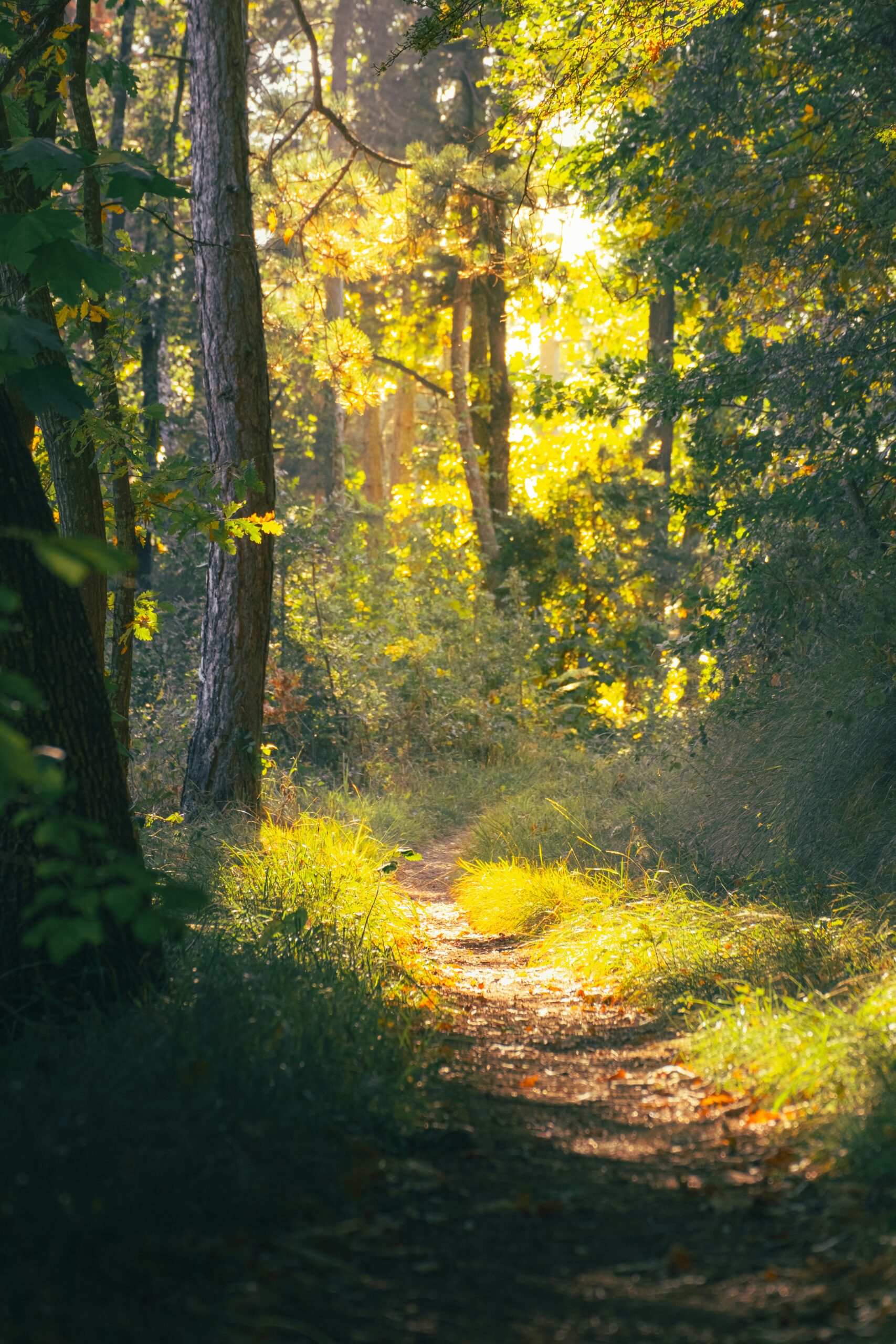
The last 2 weeks in EDCI 336 we had the opportunity to take a neighboring Grade 2 class outside for Take Me Outside Day! Our class read the book Leaf Man by Lois Ehlert and before our arrival the students also read the book with their teacher. This was the perfect book for this activity that I will definitely be using in the future!
Although Take Me Outside Day is October 21st we had the opportunity to go a day earlier and get the kids involved then. Take Me Outside is an incredible Canadian educational initiative. The overall goal is to explore learning in a non-traditional classroom setting, this non-profit organization encourages students and teachers to get outside and explore learning in that way. I appreciate how this organization challenges the idea of taking learning outside and allowing everyone to connect with the outdoors.
Gibbs’ Reflective Cycle
Description
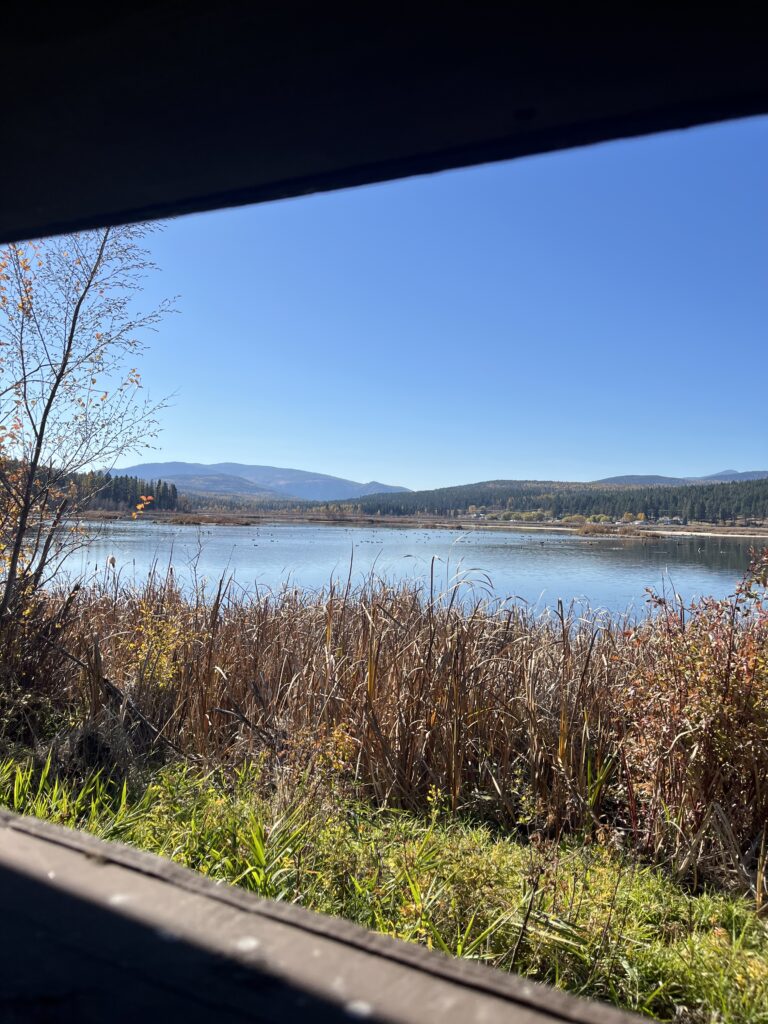
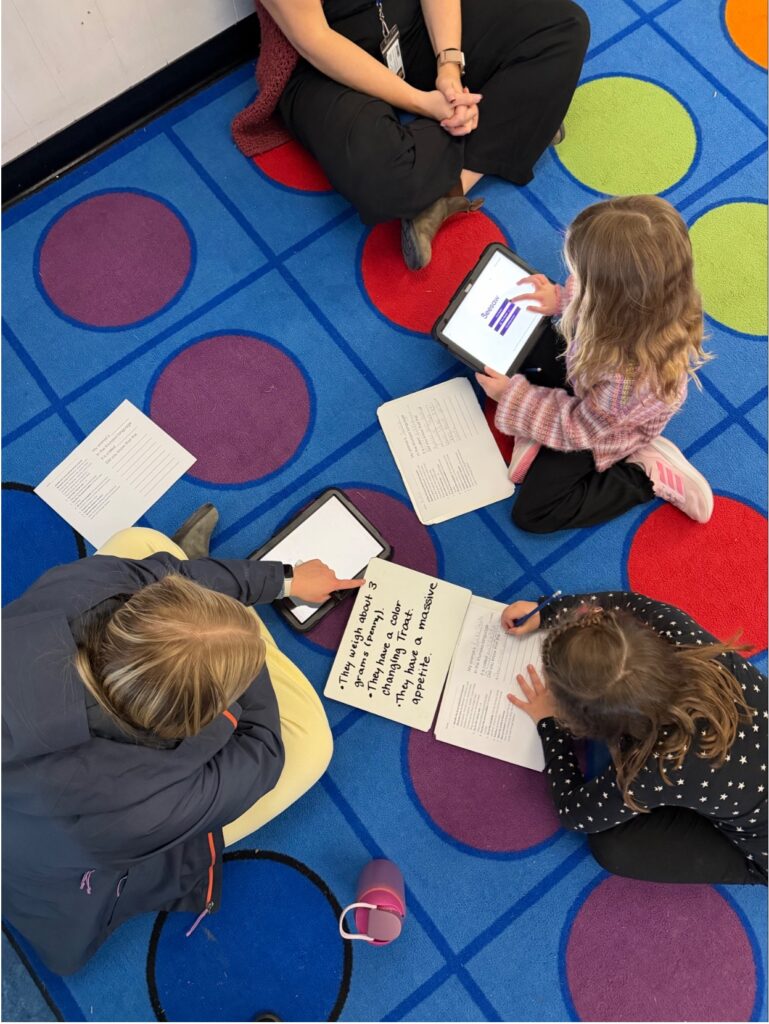
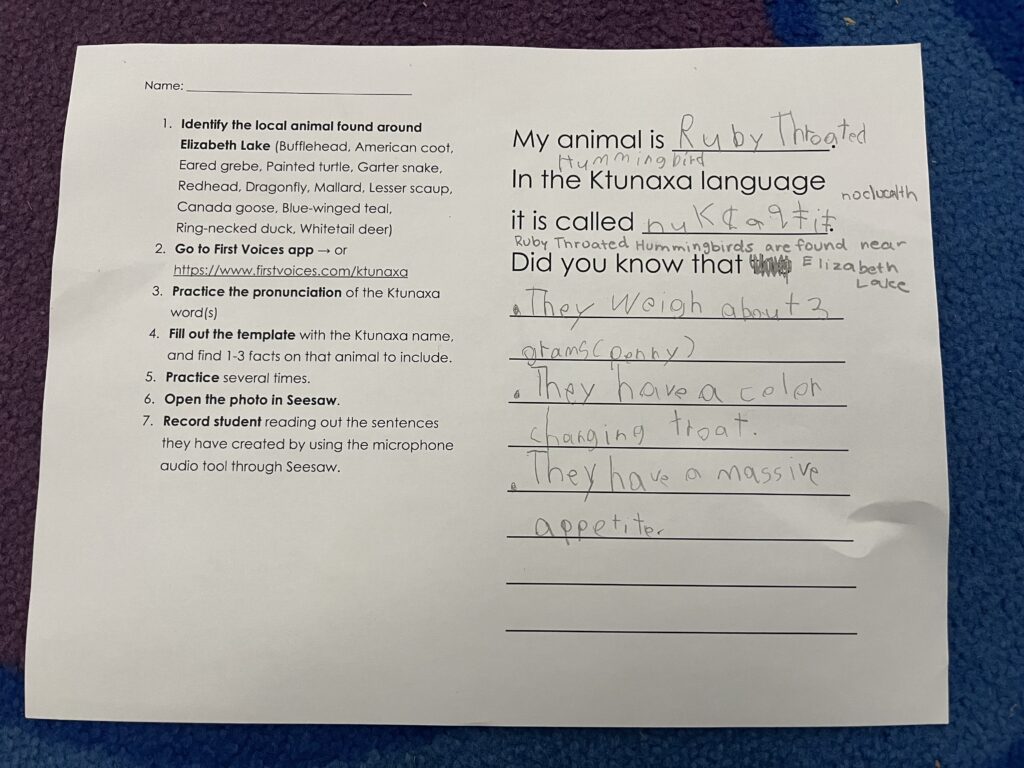
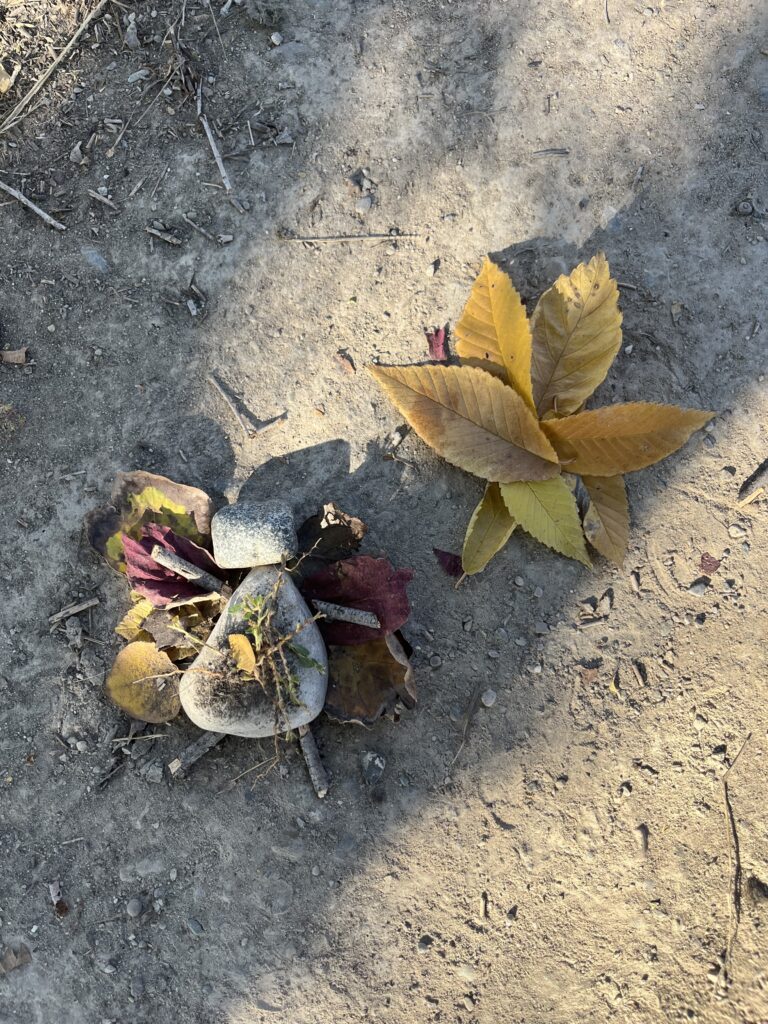
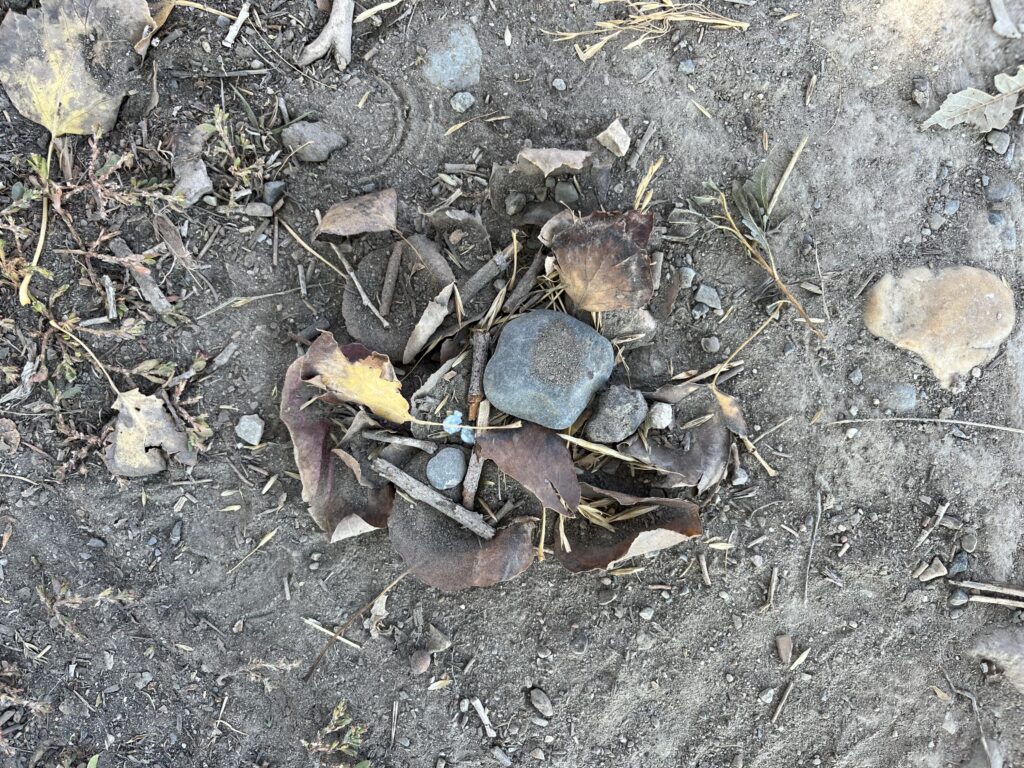
We had two class visits, one each week, where another Education student and I were partnered with two grade two students to complete the activities. During our first class we ventured outside, walking to Elizabeth Lake where we started with a scavenger hunt. Afterwards, we gathered with the large group and revisited the story of the Leaf Man. The students were then challenged to use materials from nature to create their own version of the Leaf Man in their small groups. To respect nature, we took pictures of their creations and returned the materials back where they found them. To end the lesson, we walked back to the school with our students. In our second class visit we took the photographs of the students’ creations and helped them come up with a script. The script included what kind of animal they made, we used First Voices to find the Ktunaxa word for the animal and found three fun facts about the animal. To conclude we made a video using seesaw with the images the students created the day of our walk and audio recorded their script. Each student had a mini video to highlight the animals you would find at Elizabeth Lake. Students then showed their mini videos to the class.
Feelings
I observed high levels of student engagement throughout both of our visits. In the first visit I saw the students excited and energized by the opportunity to walk to Elizabeth Lake. They were excited to be able to take part in a scavenger hunt, and I witnessed the students’ competitive side as they tried to eliminate items off their list. The scavenger hunt developed curiosity in the students as they searched for plants, animals and natural objects. I also saw students collaborating in their small groups. I observed them sharing ideas, making creative decisions about their designs and problem solving. During the second visit, students were obviously inspired by the Elizabeth Lake trip. They were excited to carry on the activity with us. They were deeply invested in developing their script and using the proper pronunciation for their Ktunaxa word through First Voices. They were also excited to learn and share interesting facts about their animals. The students loved creating and presenting their Seesaw videos. I could sense their nervousness but also their pride when their video showed up on the smartboard. I observed excitement and mutual respect between peers.
Evaluation
I can see how technology worked to enhance our students’ learning experience. There were also some technology challenges. I found that a student’s ability level and familiarity with the technology tools determined how much additional support students needed. Some students had a disadvantage because of their limited exposure to technology. Recording student scripts took longer than expected, with many takes. It was a challenge not to lose sight of the main goals of the lesson. This was a literacy-based activity where students were required to write a script, research, and use their communication skills. We had to be careful not to put too much emphasis on the final product. Using the school iPad created its own set of challenges. Navigating to find the appropriate apps and figuring out how to record student scripts temporarily interrupted the lesson.
Analysis & Conclusion
I can see how this hands-on activity was more meaningful to the students because it was a real-nature experience. This activity pushed students to be creative and explore in an outdoor learning environment. They interacted with nature and found meaningful learning opportunities outside of their classroom. Students had real ownership over their projects and were very invested in their “Leaf Man” creations, the information they gathered, and their mini videos. I also noticed that student engagement was connected to the technology that we used. Instead of pencil to paper assignment students created a digital project that reflected their learning process. The use of the Ktunaxa language was an important part of the lesson as it helped students see the importance of language and our local culture. This was an excellent project that allowed students to share and communicate their knowledge in a collaborative, creative way.
Work Sheet Used:
Action Plan
I was surprised by how students made connections in a variety of subject areas. It had a strong English focus because of the book Leaf Man but quickly evolved into science with discussions about animals and their habitats. There was a connection to art as students created their own animals. Indigenous education was also seen in this lesson, providing a strong connection to the Ktunaxa language. I was surprised at how quickly students used Seesaw. They were able to confidently use technology in creating their mini videos.
Images Created:
Key Takeaways:
- Students are engaged when the learning activities are connected to nature and a natural environment that is meaningful to them.
- Hands-on activities can have a positive impact on student learning because it improves their engagement and is meaningful when students experience the learning directly.
- Nature and the natural environment can be a valuable tool in lesson planning. If class activities are moved outdoors, learning opportunities can grow.
- I can use First Voices to enhance student learning and support Ktunaxa cultural understandings.
- I can use technology when planning my lessons and that technology can help my students in finding their voice and become more creative.
- I realize that students become more invested in the activity when they feel ownership in their work.
- I can plan lessons that are cross-curricular, making connections between different subject areas.
Sorry, but comments are not enabled on this site.